
Introduction
In the digital age pictures are everywhere. From social media and websites to marketing and presentation materials visual content plays an significant role in communicating. However, there are many issues when they convert images between formats such as JPG, PNG, WebP or PDF. This is why knowing the top methods for converting images efficiently and safely is vital for anyone working with digital images.
Converting images may appear simple but if done incorrectly, it could result in poor quality, compromise security, or even cause issues with compatibility. No matter if you’re a blogger student or designer, or a the owner of a business, knowing secure and efficient methods of conversion will make your life easier and help avoid issues.
This guide will provide practical methods and common mistakes, dependable tools and expert guidance to aid you in the conversion process without compromising quality or security.
Why Image Conversion Matters
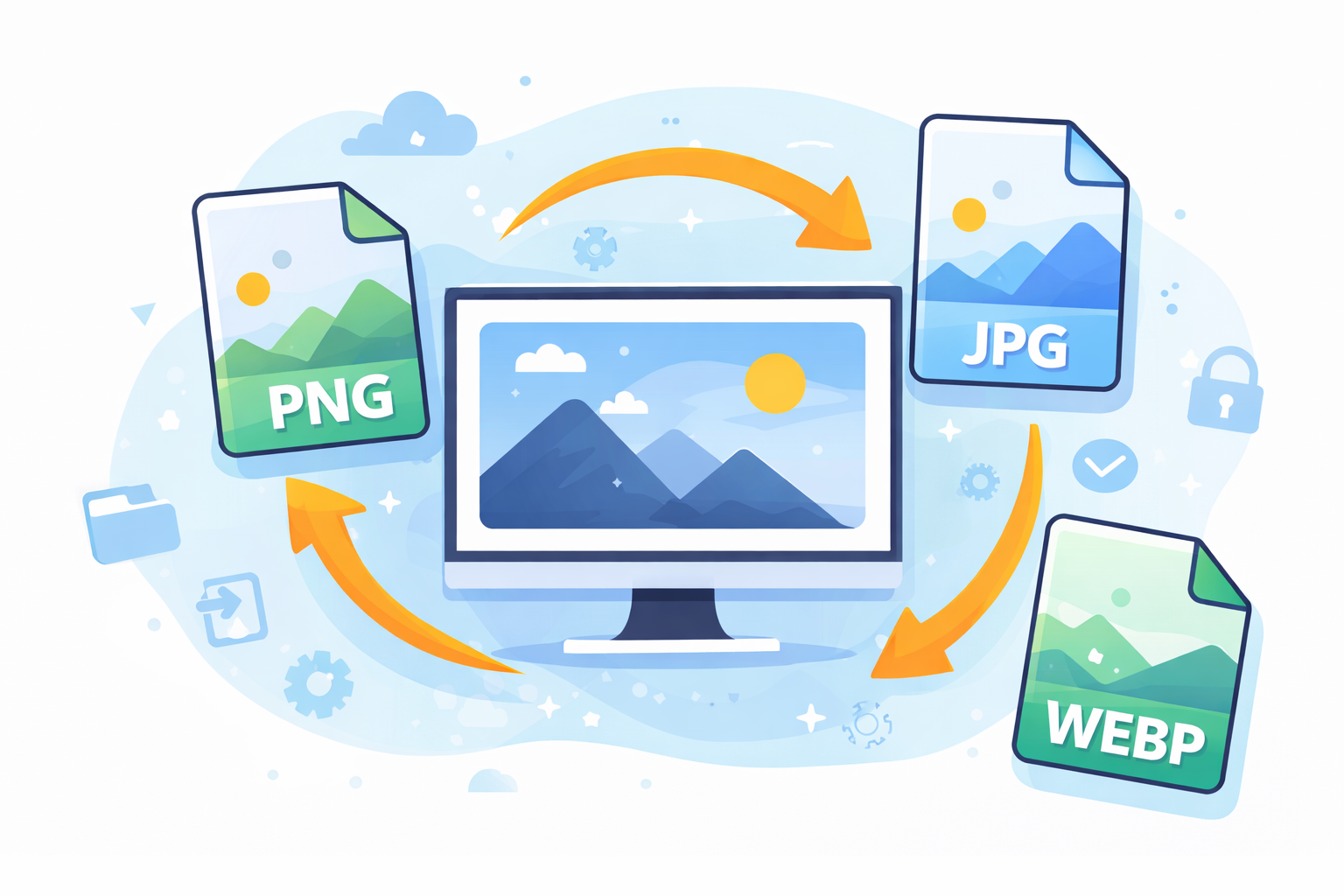
The process involves changing a file’s format between one type of format and another format. Different formats serve different purposes. For instance:
| Image Format | Best Use Case |
|---|---|
| JPG | Photos and web-based images |
| PNG | Transparent graphics |
| WebP | Modern websites have smaller file sizes. |
| GIF | Simple animations |
| TIFF | Printing of high-quality |
Selecting the right format can help improve the speed of your website, ensure quality, and guarantee compatibility across different types of devices and platforms.
Common Reasons for Converting Images
There are numerous situations when conversion of images becomes essential.
Website Optimization
Large images can slow websites. Converting them to optimized formats such as WebP will speed up loading time.
Compatibility
Certain platforms or software only support specific formats.
File Size Reduction
Converting images to digital format can drastically reduce the amount of storage needed.
Professional Printing
Formats with high-resolution, like TIFF and PNG are usually required for high-quality printing.
Tip #1: Choose the Right Image Format
The most crucial ways to convert images Fast and Securely is choosing the right format to meet your needs.
Each style is unique and has its strengths as well as weaknesses.
JPG
- Small size file
- Great for photos
- There is no support for transparency
PNG
- Compression that is lossless
- Promotes Transparency
- Larger file size
WebP
- Smaller files that are high-quality
- Perfect for websites
TIFF
- Very high-end
- The majority of them are used for printing professional
Making the wrong choice in a format could result in excessive file size increases or loss of image quality.
Tip #2: Always Keep the Original Image
Before you convert an image, save the original image.
What is the significance of this?
If there is a problem during the conversion, you’ll be able to make a return to the original image. Image conversion may change or compress the quality but without the original file, you could be unable to recover important information forever.
Professionals typically store originals in a separate folder or cloud storage in order to prevent accidental deletion.
Tip #3: Use Trusted Conversion Tools
Some image converters are not trusted. Certain online tools could over compress images or even collect data from users.
Trusted options are:
Desktop Software
- Adobe Photoshop
- GIMP
- Paint.NET
Online Tools
- CloudConvert
- TinyPNG
- Convertio
To ensure secure conversions, select reputable software with strict privacy policies.
It is also possible to explore images format specifications and documentation from reliable sources like
https://developer.mozilla.org for deeper technical explanations.
Tip #4: Check Image Resolution Before Converting
Resolution is a factor that determines the clarity of an image.
The most common resolutions are:
| Use Case | Recommended Resolution |
|---|---|
| Website pictures | 72 DPI |
| Social media | 72-150 DPI |
| Materials for printing | 300 DPI |
If you convert an image with low resolution to another type of format, its quality of the image will not be improved. The image will instead appear blurry or appear pixelated.
Always verify resolution prior to conversion to ensure clarity of vision.
Tip #5: Compress Images Without Losing Quality
Compression reduces the size of files which is essential to the speed of your website.
There are two major compression types:
Lossy Compression
- Removes certain image data
- Smaller file size
- Slight quality reduction
Lossless Compression
- All original data is kept
- Larger file size
- Maintains full quality
When converting images to be used on websites lossy compression can be acceptable, as it’s as long as quality stays visually excellent.
Tip #6: Protect Your Images from Security Risks
Uploading images to untrusted online converters could expose confidential information.
Certain risks are:
- Malware downloads
- Tracking of data
- Storage of files without authorization
For your safety:
- Use HTTPS sites
- Beware of tools that require unnecessary permissions to files
- Review privacy policies before uploading files
For images that are sensitive offline software is generally the best choice.
Tip #7: Batch Convert Images for Efficiency
If you have to convert a large number of images in one go batch conversion could make a significant difference in time.
A variety of tools allow batch processing These include:
- Adobe Photoshop
- XnConvert
- ImageMagick
Benefits of batch conversion are:
- Faster workflow
- Format of output that is consistent
- Manual effort is reduced
This is particularly helpful for web developers, photographers and content creators with large libraries of images.
Common Mistakes to Avoid When Converting Images
Even experienced users make mistakes during image conversion.
we’re here to help you grow stronger mentally and emotionally. are some typical issues to look out for:
Using the Wrong File Format
The choice of JPG rather than PNG to create images with transparency could ruin the image.
Over-Compression
The excessive compression results in evident quality decline.
Ignoring Aspect Ratio
Incorrectly changing the size of an image can create distortions or stretch visuals.
Using Untrusted Tools
Unknown converters can compromise the quality or affect security.
Making sure to avoid these mistakes will ensure the smoothest and most reliable conversions.
Best Tools for Image Conversion
we explore the fascinating world of the mind—breaking down psychology concepts into simple are a few widely-used images conversion tools:
| Tool | Type | Best For |
|---|---|---|
| Adobe Photoshop | Desktop | Professional editing |
| GIMP | Desktop | Advanced editing and free. |
| TinyPNG | Online | Optimization and compression |
| CloudConvert | Online | Support for multiple formats |
| XnConvert | Desktop | Processing images in batch |
Each tool offers unique advantages depending on your needs.
Frequently Asked Questions (FAQs)
1. What is the most effective image format for web pages?
WebP as well as JPG are frequently used on websites due to their both quality as well as file sizes efficiently.
2. Can image conversion reduce quality?
Yes. Converting using lossy compression or multiple conversions may lower the image quality.
3. Is it secure to utilize Online image conversion software?
It is safe to do so when you choose secure platforms with solid security procedures. Do not upload sensitive images.
4. Why do images that have been converted appear blurry?
It is typically because of low resolution or overly compressed when converting.
5. Can I convert images to my smartphone?
Yes. Numerous mobile apps and online converters permit quick format changes for images directly using smartphones.
6. What is batch image conversion?
Batch conversion lets you convert multiple images simultaneously, instead of processing them one at a time.
Conclusion
Knowing the right tips for converting images quickly and safely can make a massive impact on your digital workflow. From selecting the appropriate format, and keeping the original file to utilizing trustworthy tools and avoiding the most the most common mistakes, every step plays an important part in ensuring image quality and making sure that the process is efficient.
Image conversion isn’t only about changing formats of files, but also keeping the integrity of your images while also improving performance, and making sure that your images are compatible across different platforms. If you follow the steps outlined in this article that will allow you to convert images with confidence while making sure they’re safe and optimized.
When you’re optimizing images to be used on websites, making prints or managing a huge collection of media, these techniques will allow you to achieve rapid and reliable outcomes every time.