
Introduction to Image File Conversion
In the digital age images are everywhere. From social media and websites posts to online stores, images play an important role in the communication. However, not every format is appropriate for every use. This is the reason the best methods in Images File Conversion become essential.
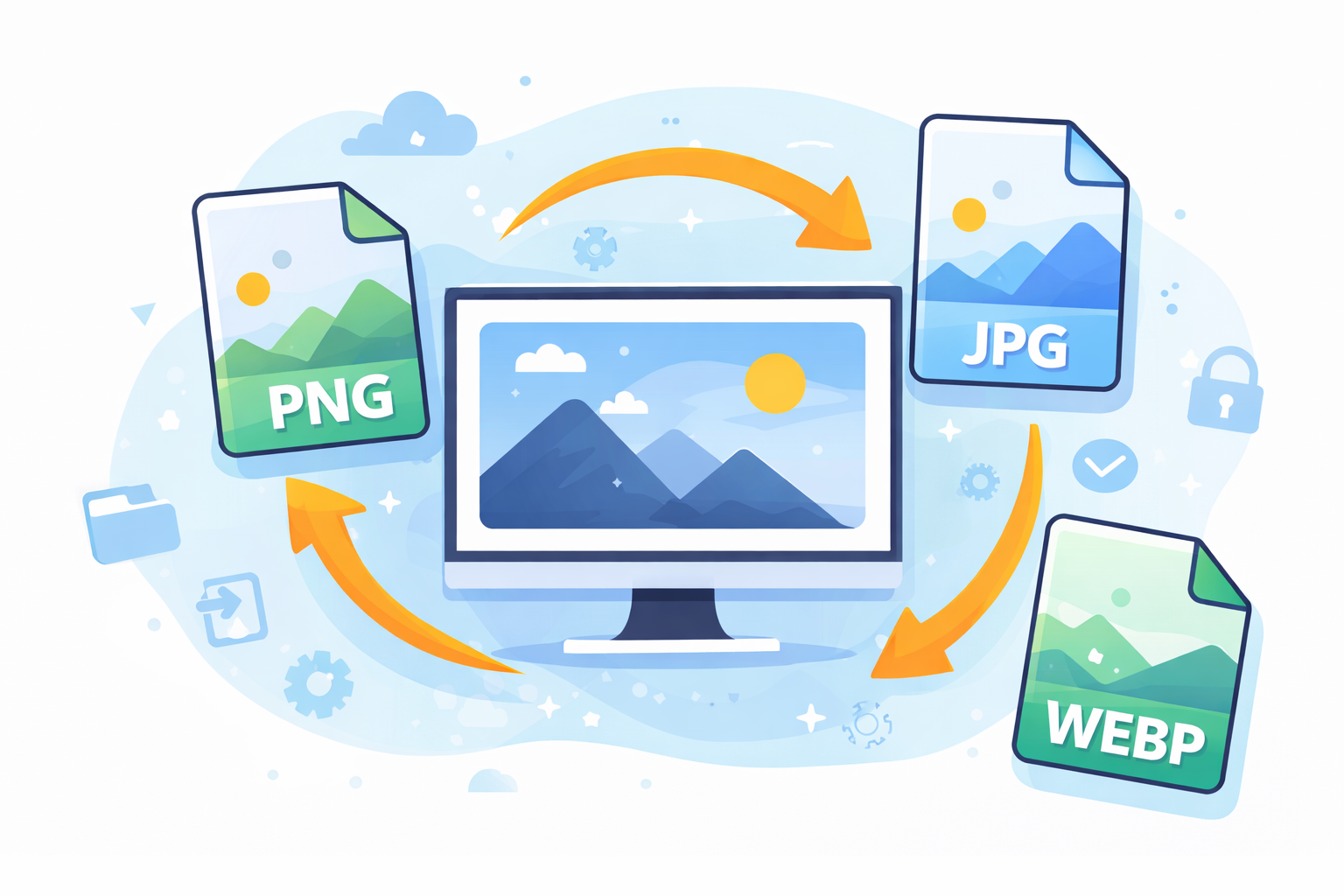
Image file conversion refers to the conversion of an image from one format to another format. As an example, it is converting the PNG picture to JPEG or converting a huge TIFF file into an image that is compressed in WebP format. Every format comes with its unique advantages in terms of file size, quality, as well as compatibility options.
Learning the right techniques for conversion can assist you in:
- Reduce the file size
- Improve website loading speed
- Maintain image quality
- Make sure that the device is compatible
- Optimize your images for SEO
In this article we will look at the best methods for Converting Images File Conversion, the tools used by professionals, most common mistakes to avoid, and the practical steps to achieve the most effective outcomes.
Understanding Image File Formats
Before you begin learning about techniques for conversion it is important to know the most popular images formats.
JPEG (Joint Photographic Experts Group)
JPEG is among the most popular image formats.
The most important characteristics are:
- Small size file
- Perfect for photos
- Uses lossy compression
- Not suitable for images that are transparent.
JPEG is widely utilized on social media due to its the quality with size.
PNG (Portable Network Graphics)
PNG files are great for images and graphics which require transparency.
Benefits include:
- Compression that is lossless
- Transparent backgrounds
- High image quality
In reality, PNG files are usually larger than JPEG files.
GIF (Graphics Interchange Format)
GIF files are most well-known for their animations.
The features include:
- Simple animations are supported.
- Limited color palette (256 colors)
- Small file sizes
GIFs are often used in memes, reaction and light animations.
WebP
WebP is an image format that has been modernized. format that was designed specifically for the web.
Benefits include:
- File sizes smaller are smaller than JPEG and PNG
- Helps to promote Transparency
- Animation support
- Speedier loading of websites
Many websites have converted images to WebP to increase performance.
TIFF (Tagged Image File Format)
TIFF files are commonly employed in professional photography and printing.
Important points:
- High-end quality
- Large file sizes
- It is suitable for editing and archives
Due to their size TIFF files aren’t often utilized on websites.
Why Image File Conversion Is Important
The process of learning the most effective methods to Convert Images File Conversion can dramatically improve workflows for digital images.
Website Performance
Large images can slow websites. Converting images into optimized formats such as WebP as well as compressed JPEG will significantly cut down the loading time.
Storage Efficiency
High-resolution images be a huge burden on storage. Converting them into compressed formats can help to reduce storage space but not sacrifice quality.
Cross-Platform Compatibility
Certain software or devices don’t recognize certain file formats. Converting files will ensure that the files are compatible across all platforms.
Better SEO Rankings
Search engines favor faster websites. Optimized images increase page speed, which may improve search engine rankings.
The Best Techniques for Image File Conversion
Let’s look at the most efficient methods professionals employ to convert images.
1. Use Lossless Conversion When Quality Matters
Lossless conversion preserves the entire image information. This method is perfect for:
- Graphic design
- Logos
- Illustrations
- Editing workflows
Formats most commonly used:
- PNG
- TIFF
- BMP
The lossless conversion process ensures that no information is lost in the conversion process.
2. Apply Lossy Compression for Smaller Files
Lossy compression deletes certain information to reduce the size of files.
Common applications include:
- Websites
- Attachments to emails
- Images of social media
JPEG is one of the more popular lossy format.
The most important thing is to find the right balance between size and quality.
3. Batch Conversion for Large Projects
If you have to convert a large number of photos, using batch processing will save time.
Benefits include:
- Faster workflows
- Consistent settings
- Manual work is reduced
A variety of professional tools can offer batch conversion.
4. Convert Images to Modern Web Formats
Modern formats such as WebP have better compression capabilities than the older formats.
Advantages:
- Smaller files
- High-end
- Web performance that is better
Many websites are now automatically converting photos to WebP.
Popular Tools for Image File Conversion
There are a myriad of tools for image conversion.
Adobe Photoshop
Photoshop is among the most powerful tools for editing images.
The highlights include:
- Conversion of formats
- Processing in batches
- Advanced compression control
It is extensively used by photographers and designers.
GIMP
GIMP is a cost-free option that is open source and a better alternative than Photoshop.
Capabilities include:
- Image editing
- Conversion of file formats
- Layer support
It’s a great choice for professionals and beginners alike.
Online Image Converters
Online tools are easy to use and simple to utilize.
Examples include services like:
- Convertio
- CloudConvert
- Online-Convert
These tools permit quick conversions without the need to install software.
It is also possible to explore useful images optimization resources at
https://developers.google.com/web/fundamentals/performance/optimizing-content-efficiency/image-optimization
Step-by-Step Image Conversion Process
Utilize these methods to convert your images efficiently.
Step 1: Choose the Right Format
Choose a format that is that meets your requirements:
| Purpose | Recommended Format |
|---|---|
| Images from the website | WebP or JPEG |
| Logos | PNG |
| Printing | TIFF |
| Animations | GIF |
Step 2: Use Reliable Software
Choose a software that permits:
- Quality Control
- Settings for compression
- Processing in batches
Step 3: Adjust Compression Settings
Make sure to balance Image quality as well as file size with care.
Step 4: Preview Before Exporting
Always verify the preview to ensure that the image appears as it should after conversion.
Common Mistakes to Avoid in Image File Conversion
Even experienced users make mistakes during image conversion.
Over-Compressing Images
A lot of compression could cause:
- Images that are blurry
- Pixelation
- Poor visual quality
Always test compression levels.
Using the Wrong Format
For instance:
- Saving logos as JPEG can reduce quality
- Using PNG for large photos increases file size
Select the right format.
Ignoring Resolution
Images with low resolution may appear great on small screens but they will appear blurry when you zoom in.
Forgetting Metadata
Sometimes, metadata like copyright information gets lost during the conversion.
Always double-check export settings.
Advanced Techniques for Image Optimization
Professionals typically combine conversion strategies along with strategies for optimization.
Image Resizing
The reduction in image size can dramatically reduce file size.
Example:
- 4000px image. Resize to 1200px if you want to use it on the web.
Color Profile Optimization
Removal of color profiles that are not needed can reduce the size of files.
Progressive JPEG
Progressive images load slowly and improve the speed of loading.
SEO Benefits of Proper Image Conversion
Optimized images can help search engines comprehend and rank your website’s content more effectively.
Benefits include:
- Faster website loading
- Better user experience
- Lower bounce rates
- Better rankings for Image search
Always incorporate conversion with:
- Proper names for files
- Alt text
- Sitemaps of images
Best Practices for Image File Conversion
To ensure that you get consistent results Follow these guidelines:
- Always save the original file
- Try out a variety of formats
- Use compression cautiously
- Automate workflows using batch tools
- Make sure that your images are optimized prior to uploading
These methods are The Top Techniques to Convert Images File Conversion used by professionals.
Frequently Asked Questions
1. What exactly is image file conversion?
Conversion of images is the process of changing images into a different format, for example the conversion of PNG into JPEG as well as TIFF into WebP.
2. What format is the best one for web pages?
WebP as well as JPEG are typically the most suitable choice because they give excellent quality while using smaller file sizes.
3. Does the conversion of an image affect the quality?
It’s all about the format. Formats that are lossy like JPEG could reduce the quality but lossless formats like PNG retain image details.
4. How can I make images convert using software?
Yes. Numerous online converters allow you to upload images and download it into a different format.
5. What is the most effective software for image conversion?
The most popular tools are Photoshop, GIMP, and online converters such as CloudConvert.
6. Is WebP superior to JPEG?
In many instances Yes, in many cases. WebP typically produces smaller files while maintaining the same or even better quality of the image.
Conclusion
Understanding the best techniques to Image File Conversion is an important ability for developers, designers marketing professionals, as well as content creators. A proper method of conversion will enhance image quality and reduce the size of files and boost website performance.
If you are aware of the various formats and tools, selecting the best one and avoiding common errors it is possible to make sure your images appear stunning and load fast across every device.
If you’re optimizing images for websites, making prints or arranging digital files, clever conversion strategies can help you save time and provide superior outcomes.