
Introduction
Images help websites appear attractive, interesting and more comprehensible. However, too large or poorly optimized images could slow down your site, impede the user experience, and adversely impact search engine rankings. This is the reason the best practices for image Conversion as well as Optimization are essential.
If images are properly optimized and converted websites load quicker and use less bandwidth and are more effective in results for searches. Search engines such as Google favor websites that load quickly that is why optimized images directly impact SEO performance.
From deciding on the best type of file to compressing photos with no loss of quality, optimizing image quality requires a thoughtful method. No matter if you have a blog, an eCommerce store or portfolio site, or corporate platform, implementing the best practices for image Conversion Optimizing and Conversion will dramatically boost your site’s performance.
In this thorough guide, you’ll be taught how to optimize and convert images efficiently using the tools that professionals use and the most common errors to avoid, as well as practical suggestions to improve your website’s speed and reach.
Understanding Image Conversion
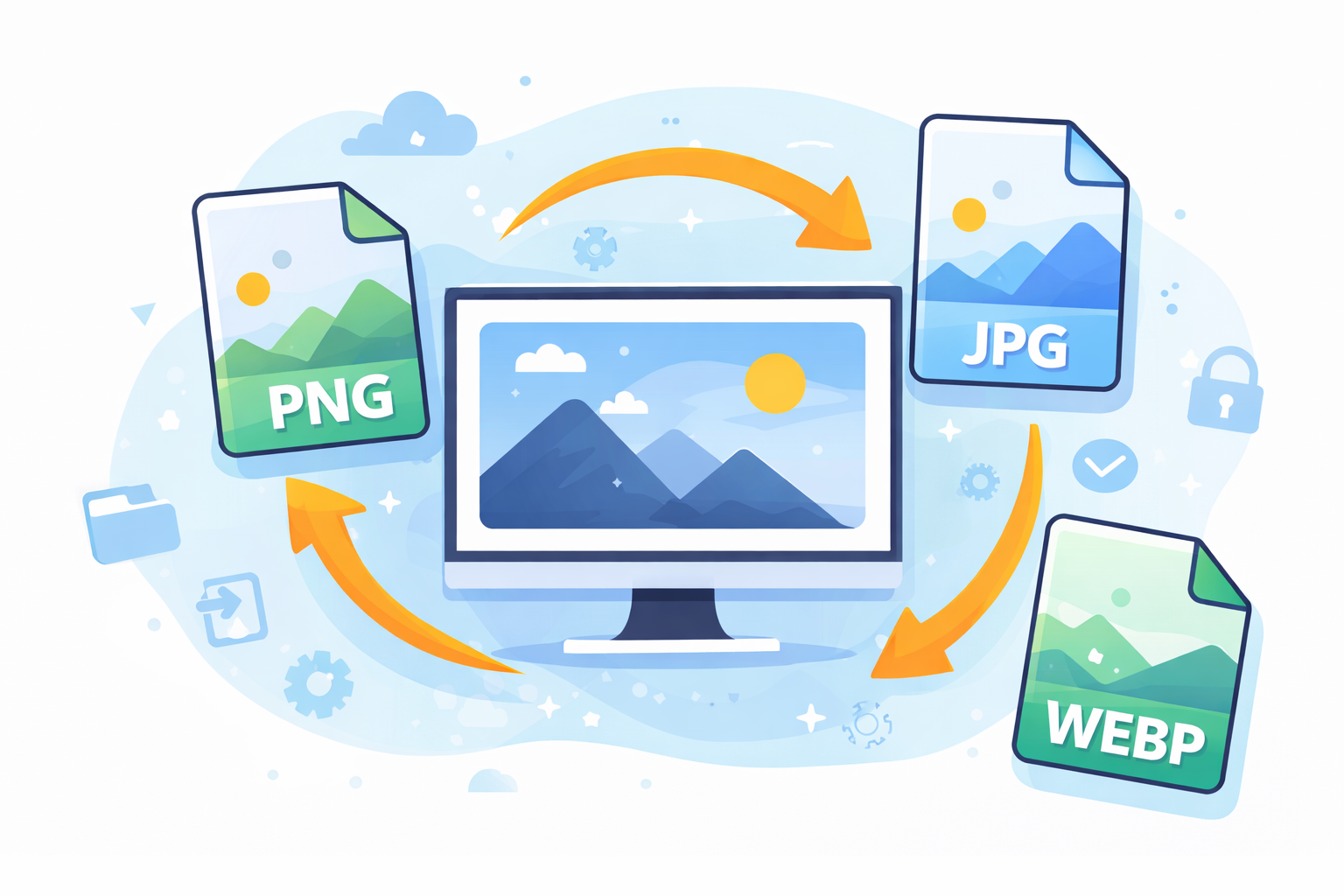
Image conversion is the process of changing images from one format to another format. Each format is unique in terms of quality, compression and compatibility.
Why Image Conversion Matters
Proper image conversion ensures:
-
Faster page loading
-
More SEO-friendly performance
-
Reduced size of files
-
Improved user experience
-
Compatibility across devices and browsers
For instance, converting the large PNG images to WebP format could reduce the file size by as much as 30 to 50% without causing any significant quality loss.
Popular Image File Formats
Choosing the correct image format is an important element in optimizing.
JPEG (JPG)
The best for complex images.
Advantages:
-
High compression
-
Smaller file size
-
Widely backed
Disadvantages:
-
Lossy compression
-
Not ideal for transparency.
PNG
Ideal for logos, graphics and images that require transparency.
Advantages:
-
Compression that is lossless
-
Helps to promote Transparency
-
High-end
Disadvantages:
-
Larger file sizes
WebP
A new format designed by Google.
Advantages:
-
File size is smaller that JPEG and PNG
-
High-end
-
Helps to promote Transparency
Disadvantages:
-
Older browsers might have limitations on support
AVIF
One of the latest and most efficient formats for images.
Advantages:
-
Superior compression
-
Excellent quality
-
Very tiny size of files
Disadvantages:
-
Not everywhere supported yet
Why Image Optimization Is Important
Image optimization directly influences many aspects of performance on websites.
Website Speed
Large images can slow the loading time of pages. Websites that are faster reduce bounce rates and boost engagement.
SEO Rankings
Google utilizes page speed as an indicator of ranking. Optimized images can boost your website’s visibility.
For more technical guidance, you can review Google’s image optimization documentation:
https://developers.google.com/search/docs/appearance/google-images
Mobile Performance
Mobile users usually experience slow connections. Optimized images speed up loading, even on mobile devices.
Lower Bandwidth Usage
Images compressed reduce server load and hosting costs.
Best Practices for Image Conversion and Optimization
Implementing the best practices for image Conversion along with Optimization ensures that your website runs efficiently and retains the visual quality.
Choose the Right File Format
Making sure you choose the correct format for your images will significantly reduce the size of your file.
Quick guideline:
| Image Type | Recommended Format |
|---|---|
| Photographs | JPEG / WebP |
| Graphics | PNG / WebP |
| Icons | SVG |
| High-efficiency images | AVIF |
Resize Images Before Uploading
Uploading large files and letting browsers resize the images wastes bandwidth.
Example:
-
Original image Size: 4000px width
-
Display required Display size: 1200px
Resize the file prior to uploading in order to save important file size.
Use Image Compression
Compression can reduce file size but without any noticeable loss in quality.
There are two kinds:
Lossy Compression
-
Reduces the size of the file
-
Slight quality reduction
Lossless Compression
-
Maintains full quality
-
Smaller files
Quality and compression are in balance. This is an essential aspect of Best Techniques in image Conversion as well as Optimization.
Use Modern Image Formats
Modern formats such as WebP and AVIF have better compression rates as compared to the traditional formats.
Benefits include:
-
Smaller file sizes
-
Faster page loads
-
Improved SEO
Implement Lazy Loading
Lazy loading causes delays in loading images until the user has scrolled to the desired section of the page.
Benefits include:
-
Speedier initial page load
-
Reduction in server load
-
Better user experience
Use Responsive Images
Different devices require different image sizes.
The use of responsive images will ensure that:
-
Mobile users load smaller images
-
Desktop users have more high-resolution versions
Optimize Image Metadata
Metadata typically contains data that is not needed for example:
-
Camera information
-
Location data
-
Editing the history
Removal of metadata can decrease the size of files.
Best Tools for Image Conversion and Optimization
A variety of tools makes image optimization quick and effective.
Online Image Optimization Tools
The most popular options are:
-
TinyPNG
-
Squoosh
-
ImageOptim
-
Compressor.io
These tools can be used to speed up compression and conversion of formats.
Desktop Software
Professional designers usually employ desktop applications, such as:
-
Adobe Photoshop
-
Affinity Photo
-
GIMP
These programs provide advanced export settings, as well as compression settings.
Automated Image Optimization Tools
If you have websites that contain a lot of pictures Automation tools are perfect.
Examples include:
-
ShortPixel
-
Imagify
-
Smush
These tools automatically compress and convert images at upload.
Advanced Optimization Techniques
In addition to the basic, a variety of advanced techniques can enhance the performance.
Use Content Delivery Networks (CDNs)
CDNs store images on many servers across the globe, reducing the time it takes for users to load.
Benefits include:
-
Faster content delivery
-
Performance of websites improved
-
Better scalability
Enable Browser Caching
Caching lets returning visitors download images directly from their device instead of downloading them from their computer again.
This speeds up loading times and enhances the user experience.
Use SVG for Icons and Logos
SVG Files are vector-based. This means that they are scalable without sacrificing quality.
Benefits include:
-
Extremely small file size
-
Perfect scalability
-
SEO-friendly
Common Image Optimization Mistakes
Even the most experienced developers can make errors when optimising images.
Uploading Full-Size Images
The most frequently made errors is uploading images directly from cameras, without changing the size.
Ignoring Modern Formats
A lot of websites rely in JPEG and PNG but ignore more efficient formats such as WebP.
Over-Compressing Images
In excess compression can render images blurred or even pixelated.
The balance between quality and size is essential.
Not Using Alt Text
Alt text is a helpful way for search engines to recognize the content of images and increases accessibility.
Example:
Bad alt text:image123.jpg
Good alt text:golden-retriever-running-on-beach
Too Many Images Per Page
Images can be a great way to increase engagement, however but too many images could cause a slowdown in page performance.
Strategic placement is essential.
Image SEO Best Practices
Image optimization is also an important part in the search engine optimization.
Use Descriptive File Names
Example:
Bad:IMG_12345.jpg
Good:blue-running-shoes-nike.jpg
Write SEO-Friendly Alt Text
Alt text can help search engines correctly index images.
Use Image Sitemaps
Sitemaps of images help search engines find and index images more quickly.
Use Structured Data
Images with structured data may show up in the search results with rich content.
FAQs About Best Practices for Image Conversion and Optimization
1. Image optimization is what it’s all about? SEO?
Image optimization focuses on cutting down on file size while retaining the quality of web pages to ensure they load faster and are more prominent on search engines.
2. What image format is the best for web pages?
WebP is typically the most suitable choice since it offers excellent compression while preserving excellent image quality.
3. How many images must be compressed?
Experts recommend compressing images to 60-80 percent with no visible quality loss.
4. What is the ideal image size for web pages?
It is dependent on the layout, however generally, pictures should have a size of between 100KB and 300KB to ensure the best performance.
5. Does image optimization affect SEO rankings?
Yes. faster loading images boost the speed of pages which is a ranking factor for search engines.
6. Can I automate image optimization?
Yes. Numerous plugins, tools and programs automatically convert and compress images when you upload them.
Conclusion
Implementing the best practices for image Conversion Optimizing and Conversion is vital to build speedy efficient, SEO-friendly websites. Optimized images increase loading speed and reduce bandwidth consumption and enhance the user experience.
If you select the appropriate formats, reducing images efficiently and using the latest technologies, such as WebP and other methods such as slow loading or responsive pictures you can significantly improve your website’s performance.
Avoid the common errors of uploading excessively large images or encoding files. Make use of the most reliable optimization tools that can streamline your workflow.
As websites continue to depend heavily on images optimizing images remains a crucial skill for designers, developers bloggers, digital marketers too.