
Introduction
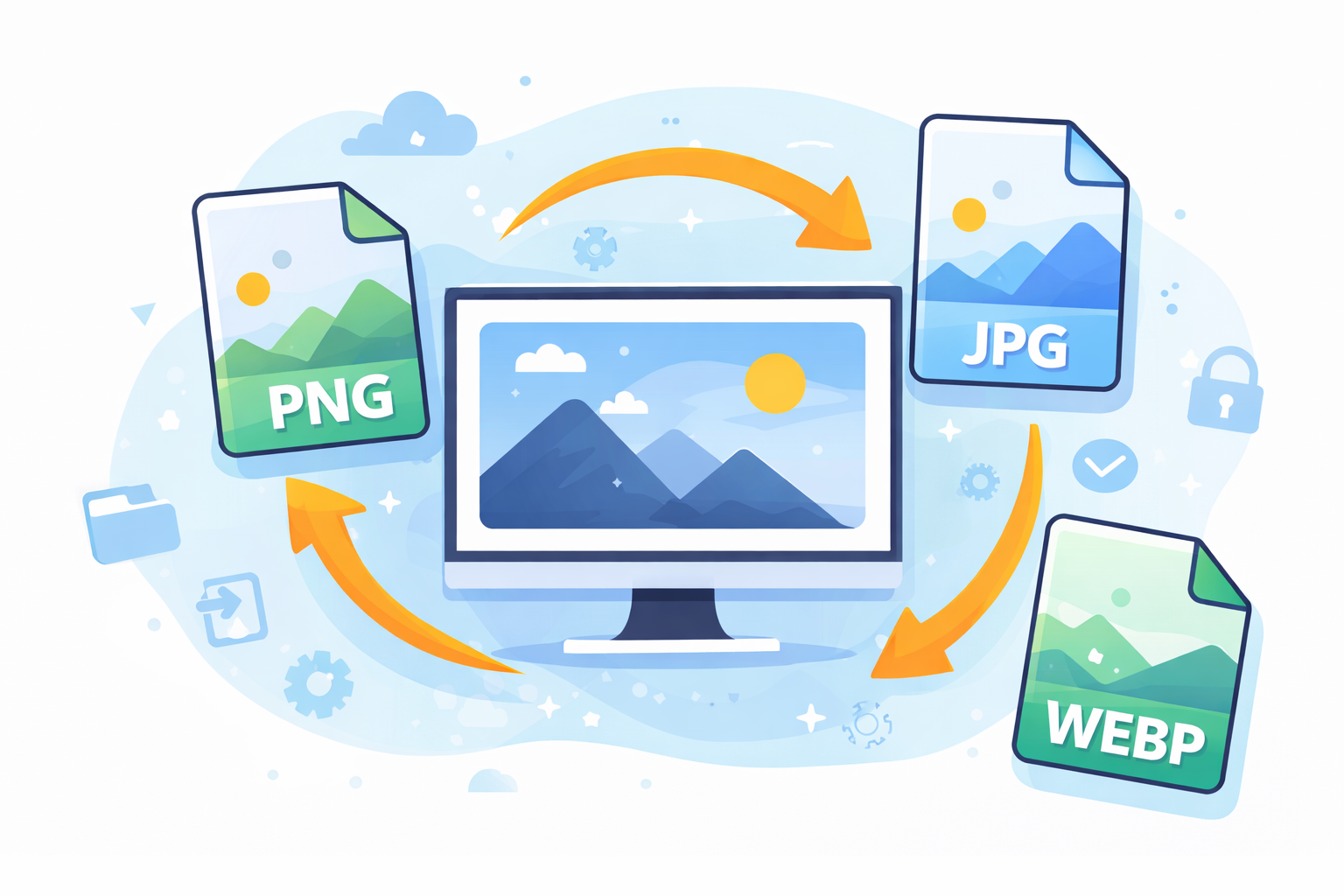
Digital images are everywhere from social media and websites to marketing materials and personal collections. When converting photos from one to another format, lots of users are faced with a similar issue: quality loss. Pixelation, blurred edges, and compression artifacts could ruin the otherwise perfect image.
Knowing the best way to convert Digital Images Without Losing Quality is vital for designers, photographers as well as marketers and people who want their photos to look professional and polished.
The great thing is the fact that conversion of images doesn’t need to compromise quality. With the proper tools, formats and techniques, you are able to convert images with ease while maintaining clarity resolution, resolution and accuracy of color.
In this complete guide, you’ll discover all you have to know about choosing the best formats for your files to avoiding common blunders and utilizing the most effective images conversion tools that are that are available in the present.
Understanding Digital Image Formats
Before you convert images, it is important to be aware of the differences between the various file formats.
JPEG (Joint Photographic Experts Group)
JPEG is among the most commonly used formats for digital photos.
Advantages
- Small file sizes
- Ideal for web use
- Widely supported across all devices
Disadvantages
- Make use of compressed lossy
- Quality is reduced with each edit and archiving
JPEG can be great in images but it isn’t ideal if you have to keep an image with the best quality.
PNG (Portable Network Graphics)
PNG is a popular format to create web graphics and transparent images.
Benefits
- Compression that is lossless
- Helps to promote Transparency
- Great for logos and graphics
Limitations
- File sizes that are larger than JPEG
PNG is a safe choice in cases where quality preservation is of paramount importance.
TIFF (Tagged Image File Format)
TIFF is commonly used for professional printing and photography.
Key Features
- Lossless format
- High color depth
- Perfect for storage of archival materials
But, TIFF files can be massive.
WebP
WebP is a new image format that was designed to optimize web pages.
Advantages
- File sizes smaller are smaller than JPEG and PNG
- Supports lossy and lossless compression.
This format is extensively employed to increase the speed of a website.
Why Image Quality Gets Lost During Conversion
Quality loss in images is usually because of compression algorithms or the limitations of formats.
Common causes are:
Lossy Compression
Formats such as JPEG remove certain image information to shrink the file size.
This process may cause:
- Blurring
- Artifacting
- Color distortion
Multiple Re-Saves
Each time you edit and save an JPEG image it is compressed again.
In time, this leads to a substantial degradation in quality.
Resolution Reduction
When images are resized as a result of conversion, the density of the images decreases and results in:
- Sharpness loss
- Pixelated images
How to Convert Digital Images Without Losing Quality
Let’s now look at the most effective strategies employed by professionals.
1. Use Lossless Image Formats
If you can make sure to convert images to non-lossless format like:
- PNG
- TIFF
- BMP
Lossless formats save every original file which means there is no risk of quality loss.
2. Convert From the Original File
Always begin with the best quality source image.
Do not convert from:
- Social media downloads
- Screenshots
- Already compressed files
Instead, choose instead of the original RAW file or high-resolution one..
3. Maintain the Original Resolution
Never reduce the size of the image unless it is absolutely necessary.
In keeping the same
- Width
- Height
- DPI
It helps to keep clarity.
4. Adjust Compression Settings Carefully
A variety of tools let you manage compression levels.
Choose:
- Quality settings for maximum quality
- Minimum compression
This will ensure that the converted file is clean.
5. Use Professional Image Editing Software
Professional tools can handle the processing of images more precisely.
Some of the top choices are:
| Tool | Best For |
|---|---|
| Adobe Photoshop | Professional editing of images |
| GIMP | Editing with open-source software is free. |
| Affinity Photo | Professionally priced and affordable tool |
| IrfanView | Lightweight conversions |
These tools provide precise control of:
- Bit depth
- Color profiles
- Compression levels
6. Preserve Color Profiles
Images include colored profiles embedded that define the way colors appear.
When you convert images:
- Make sure to keep it the Original color scheme
- Beware of the automatic color changes
This stops shifting of color.
Best Online Tools for Image Conversion
For those who prefer tools online, many trustworthy platforms can provide top-quality conversions.
CloudConvert
CloudConvert supports more than 200 different file types.
The features include:
- Adjustable quality settings
- Batch conversions
- API integration
It is available here:
https://cloudconvert.com
Convertio
Convertio is a provider of:
- Rapid processing
- Cloud-based conversion
- Drag-and-drop function
Squoosh
Squoosh, a product developed by Google is designed by Google to aid in web optimization.
Benefits include:
- Real-time preview
- Advanced compression controls
- Conversion of WebP
Offline Image Conversion Software
Offline software provides more performance and greater privacy.
The most popular tools are:
XnConvert
Key characteristics:
- Processing images in batch
- 500+ formats supported
- Metadata editing
ImageMagick
ImageMagick can be regarded as a capable command line tool that is used by developers.
Capabilities include:
- Advanced scripting
- Conversion of formats
- Image optimization
Batch Converting Images Without Losing Quality
If you’re working on converting hundreds of images batch conversion tools can help you save time.
Steps for Batch Conversion
- Select all images
- Select the output format
- Quality set to 100 percent or lossless
- Remain with resolution from the beginning.
- Export
Batch tools can help ensure the consistency of large sets of images.
Common Mistakes That Reduce Image Quality
Avoid these common traps.
1. Converting JPEG to JPEG Repeatedly
Each save adds compression.
2. Using Low-Quality Online Converters
Some converters automatically decrease the size of files aggressively.
Always select tools that come with specific compress settings.
3. Ignoring Image Dimensions
Images stretched to the limit can result in distortion and decrease their quality.
4. Removing Metadata and Color Profiles
Metadata can include color and exposure information that is essential to ensure image quality.
Tips Used by Professional Photographers
Professionals adhere to strict workflows in order to ensure the image quality.
Work in RAW Format
RAW files contain all images that was captured from the camera.
Advantages:
- Flexible editing capabilities for maximum flexibility
- No compression loss
Use Non-Destructive Editing
Software such as Lightroom can edit images without changing the original file.
Export Only Once
Professionals should avoid repeat exports.
Instead, they:
- Maintain the master file
- Final versions of the files should only be exported at times when required.
Image Optimization for Websites
Images on websites must be balanced in speed and quality.
The best practices are:
- Make use of the WebP format
- Take care to compress images
- Maintain resolution optimal for the screen size
Sizes that are recommended:
| Use Case | Ideal Width |
|---|---|
| Blog images | 1200px |
| Hero banners | 1920px |
| Thumbnails | 300px |
Advanced Techniques for Preserving Image Quality
Use Vector Formats for Graphics
Logos and icons must use vector formats like:
- SVG
- AI
- EPS
Vector images can be scaled infinitely without compromising quality.
Apply Smart Sharpening
Following conversion, a little sharpening may restore clarity.
But, be careful not to over-sharpen that can cause halos.
Use 16-Bit Color Depth
Higher bit depth helps preserve more color information in the editing process and during conversion.
Frequently Asked Questions (FAQs)
1. What is the ideal way to convert images without the quality being compromised?
TIFF and TIFF are considered to be the most effective formats due to their the lossless compression and preserve the original image’s data.
2. Can JPEG images be converted without quality loss?
It is possible to convert JPEG images to different formats However, the original compression artifacts are left. Quality can’t be restored completely.
3. Does resizing an image reduce quality?
Yes. Upscaling or downscaling images can alter the density of pixels and may cause sharpness loss if not done so.
4. Is WebP better than JPEG?
WebP generally offers more compression, and has the same quality which makes it a great choice for web pages.
5. Are online image converters safe to use?
The majority of trusted converters are safe. But be careful not to upload sensitive images to untrusted platforms.
6. What software is best for professional image conversion?
Professional tools such as Adobe Photoshop, Affinity Photo and ImageMagick give you the best control over the settings for conversion.
Conclusion
The process of learning how to convert Digital Images Without Losing Quality is vital to ensure sharp, professional-looking images across all platforms.
The basic principles are straightforward:
- Utilize lossless formats whenever you can.
- Begin by using the most high-quality image source
- Do not compress repeatedly.
- Keep color profiles and resolution intact
- Use trusted conversion tools
By observing these guidelines You can easily convert images and keep each detail clear and crisp.
If you’re a photographer web designer or content creator using these techniques will make sure your images will always appear at your best.