
Introduction
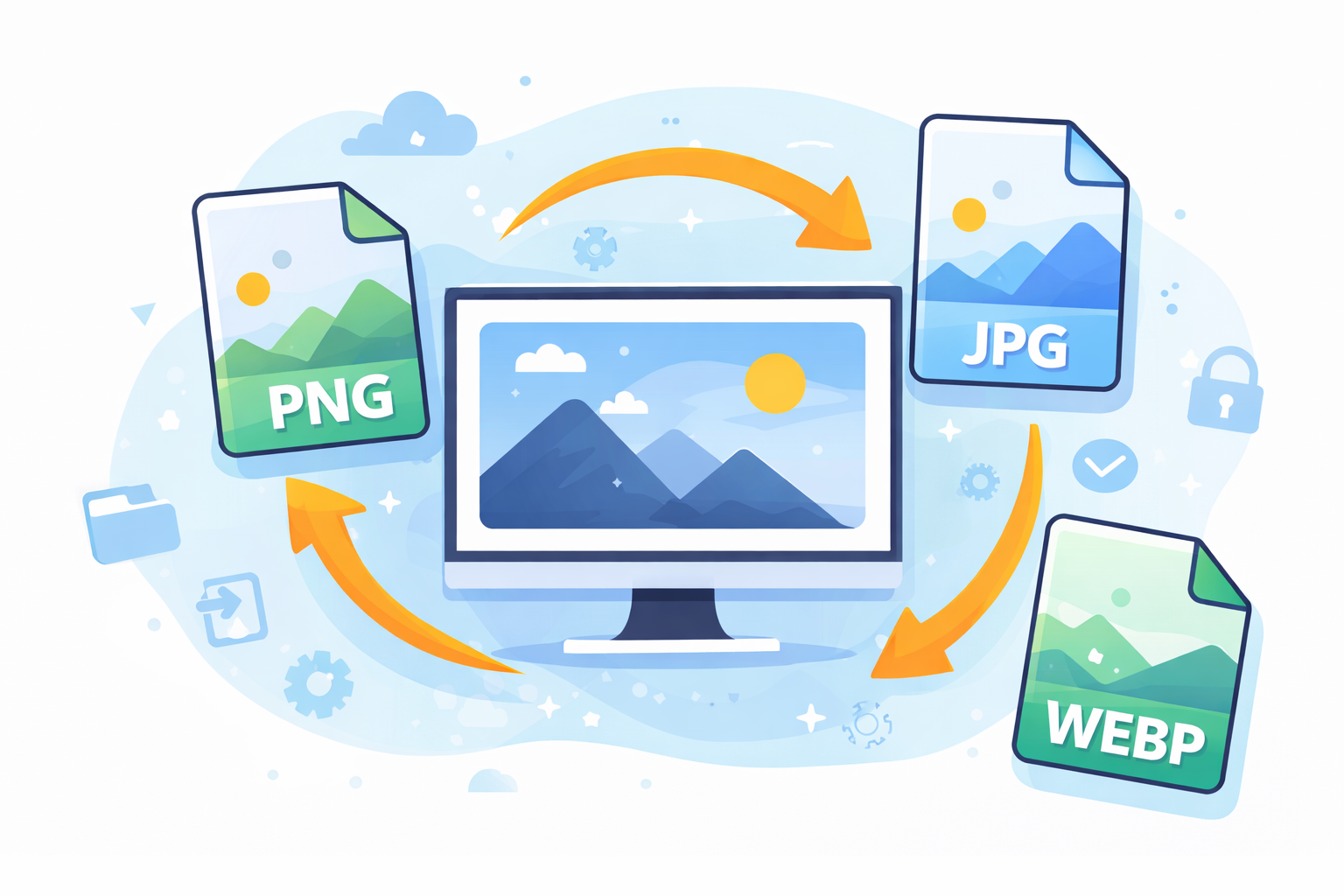
Images play an important part in presentations, social media, as well as in daily digital tasks. However, sometimes the format of your images isn’t the one you require. Perhaps you have an PNG file, but you need an JPG or to convert an image to a smaller size to reduce storage space.
This is the point where knowing the process of converting Image Files in Just a few steps is extremely useful. The positive side is that the conversion of images is now easier than ever before. With the latest tools, you can switch formats in just a few seconds and not lose quality.
In this article you will discover all you must be aware of about the conversion of images. We’ll explore the most well-known formats, the most effective tools, step-by-step procedures as well as common errors to avoid. If you’re just starting out or someone who deals with images frequently this guide will assist you convert your images quickly and effectively.
Understanding Image File Formats
Before you can learn about how you can convert pictures it is important to know the most popular formats for files and what they’re used for.
JPEG / JPG
JPEG is among the most commonly used image formats. It is ideal for images as well as web images, since it compresses files to decrease size, while still maintaining high quality.
Ideal for:
- Images from websites
- Photos from social media
- Attachments to emails
But, JPEG uses lossy compression that means that some image quality might be lost in compression.
PNG
PNG files are popular due to the fact that they allow transparency and provide better quality images than JPEG.
The best choice for:
- Logos
- Graphics
- Transparent backgrounds
PNG files are generally larger than JPEG files.
GIF
GIF images are animated and are often used to create short looping graphics.
The best choice for:
- Simple animations
- Memes
- Reaction images
In contrast, GIF files support limited colors when compared with other formats.
WebP
WebP is a contemporary format that was designed specifically for use on websites. It provides excellent compression and high quality.
Advantages:
- Smaller file size
- Faster website loading
- Promotes Transparency
Many websites today prefer WebP images to improve performance.
BMP and TIFF
These formats are typically employed for professional printing and design.
The most common uses are:
- Printing of high-quality
- Professional editing
- Archival storage
They can produce huge files that retain high quality.
Why You May Need to Convert Image Files
There are many scenarios where the need to convert images is required.
Reducing File Size
Large images can slow websites and occupy storage space. Converting them to compressing formats like JPG or WebP will reduce the size of your files.
Improving Compatibility
Certain platforms only support certain formats. For instance:
- Websites typically would rather JPG or WebP
- Design software might need TIFF or PNG
Enhancing Image Quality
Certain formats preserve more detail. If you’re editing images often, switching the image to an unlossless file format like PNG can help preserve quality.
Supporting Transparency
If your image needs transparent backgrounds, then the conversion to PNG is usually the ideal choice.
How to Convert Image Files in Just a Few Steps
The process of learning how to convert Image Files in Just a few steps is quite easy. we explore the fascinating world of the mind—breaking down psychology concepts into simple is the simplest method that most software tools use.
Step 1: Choose a Conversion Tool
You are able to use:
- Online converters
- Image editing software for image editing
- Built-in operating system tools
We will be discussing the top tools soon.
Step 2: Upload Your Image
The majority of tools let you upload your files using:
- Dropping and dragging
- Making selections from your computer
- Importing cloud storage data
Step 3: Select the Desired Format
Select the format you wish to convert your image to like:
- JPG
- PNG
- WebP
- GIF
The best choice is contingent on the way you intend to utilize the image.
Step 4: Adjust Optional Settings
Certain tools let you modify:
- Image quality
- Compression level
- Resolution
- Size
Set these settings according to your requirements.
Step 5: Download the Converted Image
When the conversion is completed Once the conversion is completed, download the new image. The image is now ready to use.
Best Tools to Convert Image Files
A variety of tools makes image conversion easy and quick.
1. Online Image Converters
Online tools are handy since they don’t require installation.
The most popular options are:
- CloudConvert
- Convertio
- Online-Convert
There is a great example here:
https://cloudconvert.com/
These tools let you convert various formats in a short time.
2. Adobe Photoshop
Photoshop provides powerful image conversion features.
To convert:
- Open the image
- Click File – Save As
- Select the format you wish to use.
Photoshop also lets you edit advanced prior to saving.
3. Microsoft Paint
A basic built-in tool that runs on Windows.
Steps:
- Open the image in Paint
- Click File – Save As
- Select the format
This is great for quick conversions.
4. Preview (Mac)
Mac users can convert images with Preview.
Steps:
- View image using Preview
- Click File – Export
- Select the format
5. Mobile Apps
If you’re using a smartphone various apps can transform images in a flash.
The most popular apps are:
- Image Converter
- Photo & Picture Resizer
- File Converter
Common Mistakes When Converting Images
Although converting images is simple, mistakes can impact the quality of images or their usability.
Ignoring Compression Settings
A lot of compression can lower image quality drastically.
Choosing the Wrong Format
Each format has a function. For instance:
- JPG to use for photos
- PNG to ensure transparency
- WebP is a web-based protocol for websites.
Upscaling Low-Quality Images
The conversion of a small image into an increased size will not increase the quality. It just expands the pixels.
Not Checking Metadata
Certain conversions erase metadata, like camera information, or copyright details.
Tips to Maintain Image Quality During Conversion
To get the most effective results, use these suggestions.
Start with high-quality images
The more appealing the original image is, the more effective the conversion will be.
Avoid Multiple Conversions
Repetition of conversions between different formats could decrease its quality.
Use Lossless Formats for Editing
Formats like PNG or TIFF maintain detail during editing.
Optimize for Web Use
For websites, you should consider using WebP as it is a great compression.
Benefits of Learning Image Conversion
Understanding how to convert images can enhance you digital efficiency.
Faster Website Performance
The smaller images make websites load faster, which improves user experience as well as SEO.
Better File Organization
Making sure you use the right formats will keep your files optimized and simpler to manage.
Professional Results
Images of high-quality make websites, presentations and marketing materials look more polished.
Frequently Asked Questions
1. What is the simplest method of converting the image of a file?
The most efficient method is to utilize the online converter for images. Upload the file, select the format, then download the image that has been converted.
2. Does converting an image reduce quality?
It’s dependent on the compression settings and format. Formats that are lossy like JPG can lower quality, whereas PNG generally retains its quality.
3. Can I convert multiple images at once?
Yes. Numerous tools can batch convert which allows you to convert several files at the same time.
4. Which image format is best for websites?
WebP is usually the best option since it offers high-quality with smaller files.
5. Is image conversion safe online?
The most trusted tools are safe, however, be careful not to upload sensitive images to websites that are not known.
6. Can smartphones convert image formats?
Yes. A lot of mobile apps let you convert images to different formats right through your smartphone.
Conclusion
The process of learning how to convert image Files in just a few steps is an important ability for anyone who works using digital photos. If you’re in charge of a website making content, or simply arranging your personal photos, having the ability to switch image formats quickly can speed up your work and increase the quality of your outcomes.
With the variety of tools that are available today, from simple built-in programs to powerful online converters, image conversion has become extremely simple. When you choose the correct format, altering the settings for compression and avoiding common errors it is possible to maintain high quality images while also ensuring the compatibility of different platforms.
At the end of the day, understanding how to convert images helps you be more efficient and keep your files in top shape, and display images in the most appropriate design for any circumstance.