
Introduction
In the digital age, pictures are all over the place. Photographers, marketers, businesses and even designers depend on quality images. However, just taking a photo isn’t enough. In most cases, you need to convert your images into the correct size, format and quality to be used professionally.
Knowing the steps to convert pictures for professional use is crucial for images that are sharp, fast loading and conform to professional standards. If you’re creating images for web pages, printing materials and presentations, or social media marketing, a proper photo conversion could make a a huge difference.
If images aren’t properly converted, they can look blurry or pixelated or even oversized. This can harm the credibility of a brand and affect the user experience. However properly converted images guarantee high-quality images, speedy loading speeds, and are compatible across different platforms.
This guide will explain the essential things you should know about selecting the appropriate formats to using the most effective tools to avoiding common mistakes. After reading this article, you’ll be able to convert images with the ease of professional.
Understanding Image Conversion
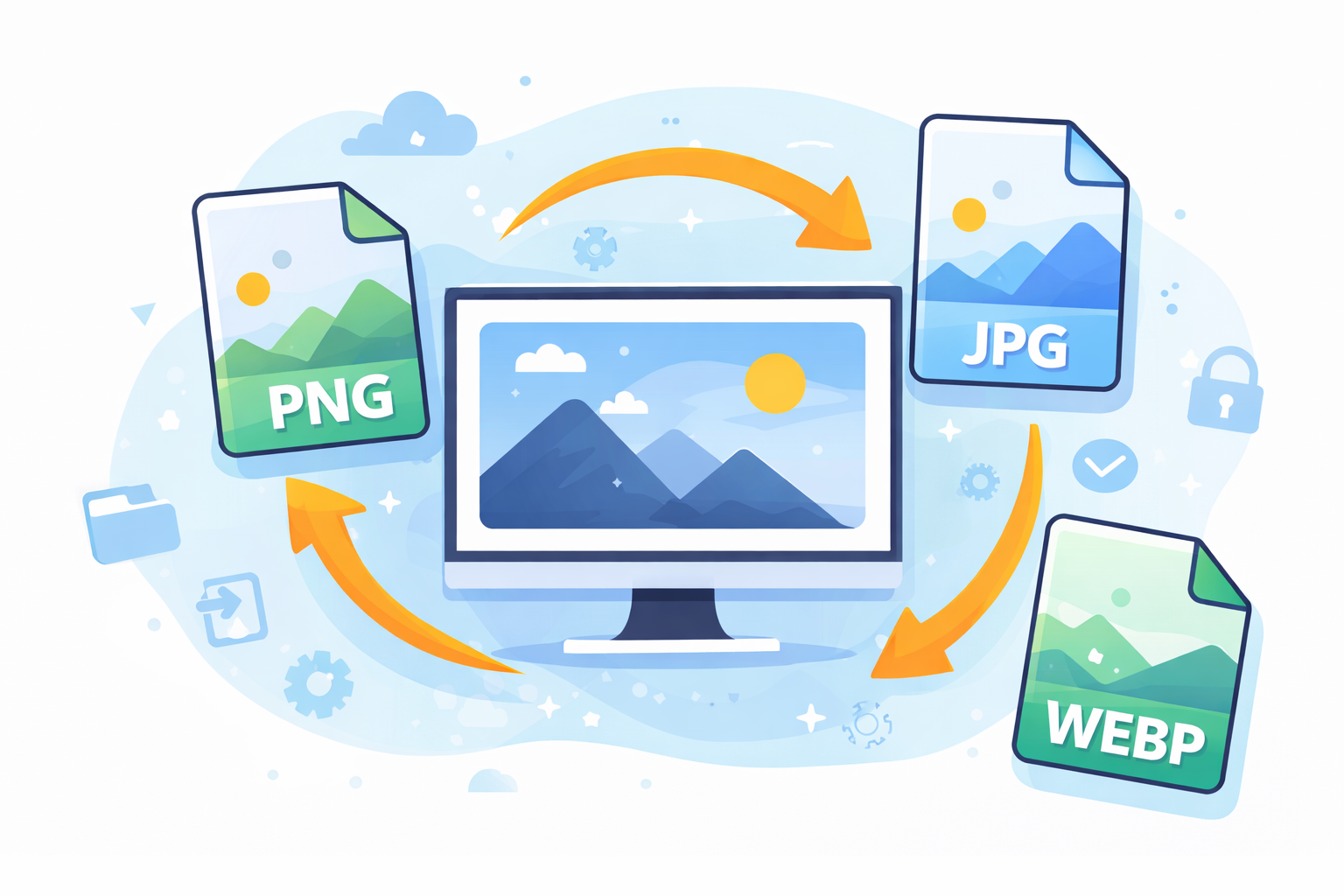
Image conversion refers to the process of changing the images file’s size, format or resolution to another. This procedure ensures compatibility with different platforms and increases image quality.
For instance an RAW image captured by professional cameras may need to be converted to JPEG or PNG before it can be used online. Similar to high-resolution images that are that are printed may require to be optimized or resized.
Professionals convert images to various reasons:
- To reduce the size of files
- To improve compatibility
- To ensure that quality is maintained across all platforms
- Optimizing images for SEO and website performance
Understanding how to convert images to professional use ensures the integrity of your images while also meeting certain technical specifications.
Why Image Conversion Matters for Professional Work
Professional environments require high-quality standards. Images should be sharp load quickly, and appear correctly across all devices.
A proper image conversion can provide many advantages:
Improved Image Quality
Images of high-quality make businesses appear professional and trustworthy. A proper conversion will preserve clarity, color accuracy and the finer specifics.
Faster Website Loading
Large image files can slow down websites. The process of compressing or converting images decreases the size of the file without the loss of quality.
Better Platform Compatibility
Different platforms support different formats. Converting images makes sure they work seamlessly on mobile apps, as well as printing media.
Enhanced SEO Performance
Optimized images aid search engines to recognize the content you post. Less file sizes can improve the speed of your page and is a crucial ranking factor.
Common Image File Formats Explained
Before you convert images, it is important to understand the most popular formats.
JPEG (Joint Photographic Experts Group)
JPEG is among the commonly used image format on the internet. It is efficient in compressing images while preserving a decent quality.
Ideal for:
- Photographs
- Images from the website
- Social media graphic
PNG (Portable Network Graphics)
PNG allows transparency and keeps high image quality.
The best choice for:
- Logos
- Icons
- Backgrounds that are transparent
WEBP
WEBP is a new format specifically designed for web use. It allows smaller file sizes, but with superior quality.
Ideal for:
- Websites
- Blogs
- E-commerce product images
TIFF (Tagged Image File Format)
TIFF delivers exceptionally high-quality images. It is often used for professional printing.
Ideal for:
- Print media
- Professional photography
- Archiving images with high resolution
Steps on How to Convert Pictures for Professional Use
Converting images professionally requires more than just changing the format of files. Follow these steps to get the most effective outcomes.
1. Choose the Correct Image Format
Choose the format that is best suited to your intended use:
- JPEG as a web-based photography format
- PNG graphics for graphic
- TIFF for printing
- WEBP is a modern way to optimize web pages.
2. Adjust Image Resolution
Resolution determines image clarity. Web images typically have 72 to 96 DPI prints, while web images need 300 DPI..
3. Resize the Image Properly
Large images eat up storage space and slow websites. Resize images to meet the requirements of your platform.
For instance:
| Platform | Recommended Size |
|---|---|
| Banners for websites | 1920 x 1080 |
| Blog images | 1200 x 800 |
| Instagram posts | 1080 x 1080 |
| Print brochures | 300 DPI resolution |
4. Optimize Image Compression
Compression can reduce file size but preserves the quality. Make sure to use a balanced compression method to prevent the pixelation.
5. Maintain Color Accuracy
Professional work usually demands color consistency. Select the right color profile:
- RGB for digital screens
- CMMYK for printing
Best Tools for Converting Images Professionally
Numerous tools make it easier to complete the image conversion process. They allow you to alter formats, compress images and increase quality.
Adobe Photoshop
A very effective image editing tools on the market.
The features include:
- Advanced conversion of formats
- Resizing of the highest quality
- Color profile control
- Processing in batches
GIMP
A cost-effective alternative to Photoshop which offers professional editing capabilities.
It supports multiple formats as well as more advanced editing tools.
Online Image Converters
Online tools can be useful for rapid conversions.
The most popular options are:
- CloudConvert
- Convertio
- TinyPNG
The tools allow users to upload pictures and convert them immediately.
You can look into tools like
https://cloudconvert.com/ for quick and reliable image conversion.
How to Maintain Image Quality During Conversion
It is vital to maintain quality when you convert images for professional use.
we explore the fascinating world of the mind—breaking down psychology concepts into simple are some of the most effective strategies:
Avoid Multiple Conversions
Repeated conversions degrade image quality. Always start with an original picture.
Use Lossless Compression
Lossless compression preserves the image’s details, while reducing the size of files.
Keep the Original File
Always keep your original copy. This will allow you to make edits in the future without losing quality.
Use Proper Export Settings
Professional tools offer export options which balance quality and compression.
Batch Image Conversion for Efficiency
Professionals usually convert large amounts of images in one go. Batch conversion tools can save time and energy.
Benefits include:
- Faster workflow
- Consistent image settings
- Reducing manual effort
Software like Photoshop, Lightroom, and XnConvert can handle batch processing of images.
Common Mistakes to Avoid When Converting Images
Many novices commit mistakes that affect the image quality or performance.
Using the Wrong File Format
Each format serves a distinct function. The use of PNG to upload large photos could increase the size of files unnecessarily.
Over-Compressing Images
The excessive compression of images can result in blurred or pixels in images.
Ignoring Resolution Requirements
Low-resolution images appear unprofessional on printed materials.
Not Optimizing for Web Performance
Large images can slow websites and hurt SEO rankings.
Best Practices for Professional Image Conversion
Follow these professional guidelines to ensure you get the best outcomes:
- Always use high-resolution originals
- Use proper color profiles
- Improve images prior to uploading to websites.
- Test images across devices
- Maintain consistent image dimensions
Following these steps You will learn the art of converting images to professional use efficiently.
FAQs About How to Convert Pictures for Professional Use
1. What is the most effective way to present professional images?
It’s all about the intent. JPEG is the best choice for photos online. PNG is suitable for images that have transparency. TIFF is suggested for printing professional-quality.
2. Does converting images reduce quality?
Sometimes. Lossy formats such as JPEG could decrease quality, whereas lossless formats such as PNG preserve more information.
3. What resolution is the best for professional photos?
For web images 72-96 DPI is enough. For printing 300 DPI is the industry standard.
4. Do I have the ability to convert pictures using software?
Yes. Online tools let you convert images fast without the need for software.
5. What’s the distinction between conversion and compression?
Conversion changes the format of files and compression decreases file size.
6. Is WEBP superior to JPEG?
Websites, WEBP often provides smaller files while still maintaining the same quality of images.
Conclusion
The process of learning how to convert pictures for professional use is a crucial knowledge for photographers, marketers or designers as well as businesses. Converting images correctly ensures that the images remain of top quality and are compatible with various platforms and optimized to perform.
If you select the appropriate formats, correctly adjusting resolution and using reliable tools, you can create photos that look professional across all media. Avoid common mistakes, such as overcompression or incorrect color profiles. Always preserve the original file for editing later on.
As the number of digital media content sources expands and become more optimized, images will play an more of a impact on user experience and SEO’s performance. Understanding how to convert images will assist you in creating visually stunning and technologically optimized images which stand out the highly competitive digital world.